Thursday, 13 February 2020

Chem@Home: Sodium Hypochlorite - Bianca Kumar

Figure 1: Prince plus bleach 

"How do I keep my dog so white you ask? Well, I use bleach!!!" Now I don't use bleach to keep my dog white, but do I use it when cleaning up my murder… I mean my bathroom! Bleach is a commonly used household product since it disinfects, it cleans and it can whiten clothes and this is due to the active ingredient in bleach, Sodium Hypochlorite1.

Sodium Hypochlorite is part of the Chlorine family and therefore it is commonly used as a disinfectant5. Sodium Hypochlorite works by denaturing proteins in microorganisms, which is a fancy way to say that it kills bacteria, fungus, and viruses1. It similarly removes stains, by breaking down the molecules in a stain into smaller elements so it can easily separate from fabric6

Sodium hypochlorite is produced by mixing chlorine with sodium hydroxide8. Household bleach’s commonly from the brand Clorox contain a solution of sodium hypochlorite ranging from 3%-5% and industrial/clinical bleach contain a solution ranging from 10%-15%1.

Surprisingly it is not as toxic as most would believe, ingesting or inhaling results in minor side effects such as irritation of the mouth, throat, lungs, eyes, and nose, with more intense side effects being vomiting, diarrhea or nausea4. Bleach is commonly used in suicide attempts however, a lot would have to be consumed to be lethal and because the body usually rejects the sodium hypochlorite in bleach, most people cannot drink enough for it to be lethal4,7,9. By itself, sodium hypochlorite is not dangerously toxic but it becomes more toxic when mixed with other chemicals/products such as acidic or ammonia-based products, mixing sodium hypochlorite with these types of chemicals results in the release of toxic gases5.

There are alternatives to bleach such as several other cleaning products or do it yourself techniques involving vinegar/citric acid, hydrogen peroxide or baking soda2. So, there is no need to use bleach if someone does not want to. However, I am going to stick to using bleach, as it is not toxic so long as I use it appropriately and it is easier to access and not overly expensive.


References 
1The use of bleach. https://www.info.gov.hk/info/sars/en/useofbleach.htm (January 27,2020)

2Tiffany. DIY: all natural homemade bleach alternative. 2019. Don’t waste the crumbs. https://dontwastethecrumbs.com/diy-natural-homemade-bleach-alternative/ (January 27, 2020)


4Sodium hypochlorite, 2007. Allied universal corporation. https://www.unil.ch/cig/files/live/sites/cig/files/FAQ/Safety/PDF/MSDS/Sodium%20hypochlorite-msds.pdf (January 27, 2020)

5OxyChem sodium hypochlorite handbook, 2014. Occidental chemical corporation. https://www.oxy.com/OurBusinesses/Chemicals/Products/Documents/sodiumhypochlorite/bleach.pdf (January 27, 2020)


7Peck, B., Workeneh, B., Kadikoy, H., Patel, S. J., & Abdellatif, A. (2011). Spectrum of sodium hypochlorite toxicity in man—also a concern for nephrologists. Nephrology Dialysis Transplantation Plus4(4), 231-235. (4)https://www.ncbi.nlm.nih.gov/pmc/articles/PMC4421444/


9Chandler, N & Harder, J. What if you drink bleach, 2019. Howstuffworks. https://science.howstuffworks.com/science-vs-myth/what-if/what-if-drink-bleach.htm (January 27, 2020)

10Figure 1: Kumar, B. (2020). Prince plus bleach, Alberta, 2020. [Photograph]. 


Wednesday, 12 February 2020

Sugar


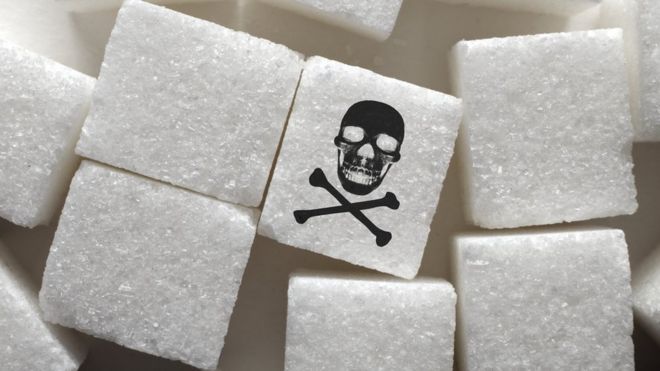
Do you ever wonder why people who are sad or depressed are told they should eat sugar? Rumors have it that sugar is actually supposed to boost serotonin and dopamine levels in your brain. For those of you who don’t know what serotonin is, it is a neurotransmitter that is responsible for regulating mood, social behavior, appetite, digesting, memory and sexual desire and function2. Dopamine is also a neurotransmitter it is known as the feel-good neurotransmitter1. It’s very common to find sugar in the everyday foods we eat, whether those foods are natural and processed. Sugar is an essential part of cooking and baking, and people frequently use it in their coffees and teas. The chemical formula of sugar is C6H12O6.   

Unfortunately, sugar is found in almost everything we eat, even if something is “sugar-free” there could be some alternative artificial sweeteners and sugar alcohols added. The benefit of alternative sugars is no calories, the slower effect on your blood sugar levels, and minimizes tooth decay or cavities6.

These alternatives come out to be a lot sweeter than regular sugar, but in return, you need less of it, so when you see a label that is “sugar-free” it could be using artificial sweeteners but have less than 0.5 grams of sugar per serving3. Sugar that we know as the little white crystals typically come from beets and sugarcane that have been purified and crystallized4. You can also find sugar in plants and it can also be synthesized in labs, other minor commercial sources are sorghum and sugar maples3. There are also natural alternatives

sugar
 Figure 1. Image was taken by; Roberts, M. (2018, May 23). Are sweeteners healthier than sugar? Retrieved February 10, 2020, from https://www.bbc.com/news/health-44208504

Sugar is not toxic if consumed in moderation, obviously, if you are consuming an obscene amount of it, there will be repercussions on your health such as diabetes, high blood pressure, metabolic syndrome, nerve damage, kidney damage, blindness, and gastrointestinal disturbance5. A legal dose of sugar is 30g/kg, so with someone of my weight, I’d have to eat about 1836kg of sugar to become toxic5. I picked sugar because I don’t know about you, but my metabolism is not what it used to be 7 years ago. So when I eat, I find myself more cautious with my sugar intake. I do enjoy the odd treat here and there, but if I can, I will do my best to avoid any additional sugar in my meals. Sugar isn’t going to ruin, consuming it in moderation is key.

1Dopamine. (n.d.). Retrieved February 10, 2020, from https://www.psychologytoday.com/us/basics/dopamine

2McIntosh, J. (2018, February 2). Serotonin: Facts, uses, SSRIs, and sources. Retrieved February 5, 2020, from https://www.medicalnewstoday.com/articles/232248.php

3What is the difference between no added sugar and sugar-free?: Nutrition. (n.d.). Retrieved February 11, 2020, from https://www.sharecare.com/health/nutrition-diet/whats-no-added-sugar-free

4Singh, R. P., & Clarke, M. A. (2019, May 30). Crystallization. Retrieved February 9, 2020, from https://www.britannica.com/science/sugar-chemical-compound/Crystallization


6Posted under Health Guides. Updated 30 March 2018. Related Content. (2018, March 30). Sugar Substitutes and Artificial Sweeteners. Retrieved February 10, 2020, from https://youngwomenshealth.org/2013/12/12/sugar-substitutes/


What's in Your Tea?? (EGCG Hannah Dokken)


Most of you have drank tea before, as it is the second most consumed drink in the world next to water, but do you know any of the compounds that make up tea?  Tea has been around for over 5000 years and dates to ancient China1, but most of the compounds that make up tea haven’t been known or isolated until recently!  There are over 15 compounds in tea! And one of the main ones is epigallocatechin gallate, it was first isolated in 19482, only 72 years ago.  This compound has a super long name, so it is easier to abbreviate it to EGCG!

EGCG is an interesting compound and has many cool properties.  EGCG is known as a phytochemical, because it is found in plants.  It is found in the leaves and leaf buds of a plant called Camellia sinensis, also known as the tea plant, which make sense3!  EGCG is found in many different teas but is most abundant in green tea!  Something you may not know is that black tea is just fermented green tea!  EGCG is very good for you, and there are not many health concerns associated with this compound.  EGCG is an antioxidant, which means it reduces the damage caused by oxygen in the body4.  EGCG is also an anti-cancer and anti-mutagen agent, so it can help prevent the development of cancer and mutagens that form in the body4!  The only thing to be cautious about EGCG is it has been linked to acute liver damage5 when consumed at high concentrations.  Green tea dietary supplements contain high concentrations of EGCG.

If you do not like green tea or any kind of tea, do not worry there are TONNES of alternative sources that provide similar properties to EGCG!  Most fruits and vegetables have antioxidant properties like EGCG, even some food oils have antioxidant properties6!  Anti-cancer and anti-mutagenic agents can be found in the skin and seeds of many different fruits, a high concentration can be found in different types of red wine7.


Figure 1: Tea in a chemistry mug

References:
1The History of Tea. http://www.coffeeteawarehouse.com/tea-history.html (accessed Feb. 10, 2020).
2Bradfield, A E; Penny, M; Wright, W B. The Catechins of Green Tea. Journal of the Chemical Society 1947, 32–36
3Chen, Di; Wan, Sheng Biao; Yang, Huanjie; Yuan, Jian; Chan, Tak Hang; Dou, Q Ping. EGCG, Green Tea Polyphenols and Their Synthetic Analogs and Prodrugs for Human Cancer Prevention and Treatment. Advances in clinical chemistry 201153, 155–177.
4Bernatoniene, Jurga; Kopustinskiene, Dalia Marija. The Role of Catechins in Cellular Responses to Oxidative Stress. Molecules : A Journal of Synthetic Chemistry and Natural Product Chemistry 201823 (4).
5National Center for Biotechnology Information. PubChem Database. (-)-Epigallocatechin gallate, CID=65064, https://pubchem.ncbi.nlm.nih.gov/compound/Epigallocatechin-gallate (accessed on Jan. 20, 2020).
6Evangelista, Cristina Márcia Wolf; Antunes, Lusânia Maria Greggi; Bianchi, Maria de Lourdes Pires. In vivo cytogenetic effects of multiple doses of dietary vegetable oils. Genetics and Molecular Biology 200629 (4), 730–734. https://doi.org/10.1590/S1415-47572006000400024.
7Brewer, M.S. Natural Antioxidants: Sources, Compounds, Mechanisms of Action, and Potential Applications. Comprehensive Reviews in Food Science and Food Safety 201110 (4), 221–247. https://doi.org/10.1111/j.1541-4337.2011.00156.x.
Figure 1: Dokken, H. (2020). Tea in a Chemistry Mug, Alberta, 2020. [Photograph].

Aspartame


As a frequent chewer of sugar-free gum, I know that the source of sweetness I taste is from aspartame. But what is aspartame?

Aspartame is a white, powdery non-carbohydrate based sweetener that is approximately 200 times sweeter than sugar [1]. It can be found in food products such as sugar-free gum and diet-based sodas. It was first synthesized in 1965, and then approved for food use by the Food & Drug Administration in 1987 [2].

Commercially, aspartame is also known as Canderel, NutraSweet, and Tri-Sweet [1]. Other artificial sweeteners, such as Splenda, Stevia, and Sweet n’ Low, are generally believed to be aspartame-based however they are made up of different compounds [3].

Chemically, aspartame is made up of two amino acids: aspartic acid and phenylalanine [1]. Combining these two amino acids to make aspartame can be done chemically [4], or with using an enzyme [5]. The chemical production of aspartame makes two forms of it, called alpha-aspartame and beta-aspartame. The alpha form is the sweet one, whereas the beta one is quite bitter. Using an enzyme only makes the alpha form, but it cannot produce aspartame at the level required for production.

There has been lots of speculation in the media as to whether aspartame is harmful. In 1996, the CBS program 60 Minutes put out a report criticizing aspartame, and claiming it caused cancer in the brain [6]. Other media suggested it caused multiple sclerosis, seizures, and even death [7]. It is non-toxic (LD50 via the mouth is 10,000 mg/kg [8]), and the scientific evidence suggesting its potentially harmful effects or cancer-causing properties have major flaws [9,10]. The FDA also claims it is the one of their most extensively tested compounds [2], and its safety is supported by over 100 regulatory bodies [11].

So keep on chewing that sugar-free gum everyone! I know I will, and your dentist will thank you!

Donald, J.R. (Photographer). (2020). Coke Zero Sugar
with 5 Spearmint Gum [photograph]. Calgary, Canada

References

1. U.S. National Library of Medicine, PubChem. (2020). Aspartame (Compound). Retrieved February 8, 2020, from https://pubchem.ncbi.nlm.nih.gov/compound/134601#section=DSSTox-Substance-ID

2. Office, U. S. Government Accountability (17 July 1987). "U.S. GAO – HRD-87-46 Food and Drug Administration: Food Additive Approval Process Followed for Aspartame, 18 June 1987" (HRD-87-46). Retrieved 9 February 2020.

3. WebMD. (2020) Stevia and Sugar Substitutes. Retrieved February 10, 2020, from https://www.webmd.com/diet/stevia-sugar-substitutes#2

4. Rowe, R.C., Sheskey, P.J., & Quinn, M.E. (2009), Handbook of Pharmaceutical Excipients (6th Ed.) Pharmaceutical Press, London, p. 49

5. Yagasaki, M., & Hashimoto, S. (2008). Synthesis and application of dipeptides; current status and perspectives. Applied Microbiology and Biotechnology, 81(1), 13–22. doi:10.1007/s00253-008-1590-3

6. "How Sweet Is It?". 60 Minutes. December 29, 1996.

7. Wikipedia. (2020). Aspartame Controversy. Retrieved February 10, 2020, from https://en.wikipedia.org/wiki/Aspartame_controversy

8. Toksikologicheskii Vestnik., (3)(37), 1996

9. Soffritti, M., Belpoggi, F., Espoti, D.D., Lambertini, L., Tibaldi, E., & Rigano, A. (2006). First Experimental Demonstration of the Multipotential Carcinogenic Effects of Aspartame Administered in the Feed to Sprague-Dawley Rats. Environmental Health Perspectives, 114(3), 379-385. https://doi.org/10.1289/ehp.8711

10. Soffritti, M., Belpoggi, F., Tibaldi, E., Espoti, D.D., & Lauriola, M. (2007) Life-Span Exposure to Low Doses of Aspartame Beginning during Prenatal Life Increases Cancer Effects in Rats. Environmental Health Perspectives, 115(9), 1293-1297. https://doi.org/10.1289/ehp.10271
11. Mitchell, H. (2006). Sweeteners and sugar alternatives in food technology. Oxford, UK: Wiley-Blackwell. p. 94. ISBN 978-1-4051-3434-7.

Benzyl Benzoate


Take a moment and think about your morning routine, maybe you wake up shower, do your hair, makeup and before you leave spray on perfume. Have you ever taken a step back and looked at the ingredients in the products you’re using? If there were ingredients you weren’t aware of have you researched them to see their health impacts? I’m guessing the general consensus is no because why should we, if companies are selling them they must be safe to put on or in our body. I did exactly this with my Marc Jacobs perfume and found a chemical called benzyl benzoate.

Benzyl benzoate does occur naturally it can be isolated from a species of plant called polyalthia which is native to India.1 In the cosmetic industry benzyl benzoate is synthesized. Benzyl benzoate isn’t very toxic the LD50 is 1680mg/kg if taken orally or 4000mg/kg if applied on the skin.3 This compound isn’t only used in the cosmetic industry it is actually very common in the treatment of scabies as a topical ointment.3 Scabies is a skin infection that is caused by mite bites that leads to excessive itching. Benzyl benzoate works by killing the mite’s immune system.3

In the cosmetic industry benzyl benzoate is used as a fixative meaning it stabilizes the perfume chemically.4 There hasn’t been a lot of research into the health impacts on what can happen when you are applying things like perfume to your body every day, but there was one study done that found that there was a connection in perfume being applied to the chest region and an increase in growth of breast cancer cells.5 There hasn’t been enough research into this to make this a definitive correlation but it is something to think about.

The purpose of writing this was to get you thinking do you really know what’s in the products you’re using? Personally, I will continue to use Marc Jacobs perfume, I am now aware that benzyl benzoate is a relatively safe product to use but I will keep an eye to see if any more research goes into finding if there is a correlation between it and the increase in breast cancer cells.

References:

1National Center for Biotechnology Information. PubChem Database. Benzyl benzoate, CID=2345, https://pubchem.ncbi.nlm.nih.gov/compound/Benzyl-benzoate (accessed on Jan. 27, 2020)

2 Opgrande, J., Brown, E., Hesser, M., & Andrews, J. (2003). Benzoic Acid. Kirk-Othmer Encyclopedia Of Chemical Technology. doi: 10.1002/0471238961.0205142615160718.a02.pub2

3Benzyl benzoate - DrugBank. (2020). Retrieved 29 January 2020, from https://www.drugbank.ca/drugs/DB00676

4 National Center for Biotechnology Information. PubChem Database. Benzyl benzoate, CID=2345, https://pubchem.ncbi.nlm.nih.gov/compound/Benzyl-benzoate (accessed on Jan. 27, 2020)
5 Charles, A., & Darbre, P. (2009). Oestrogenic activity of benzyl salicylate, benzyl benzoate and butylphenylmethylpropional (Lilial) in MCF7 human breast cancer cellsin vitro. Journal Of Applied Toxicology29(5), 422-434. doi: 10.1002/jat.1429

Chemistry at Home- Ammonium Thiolactate


curlers, curly hair, female
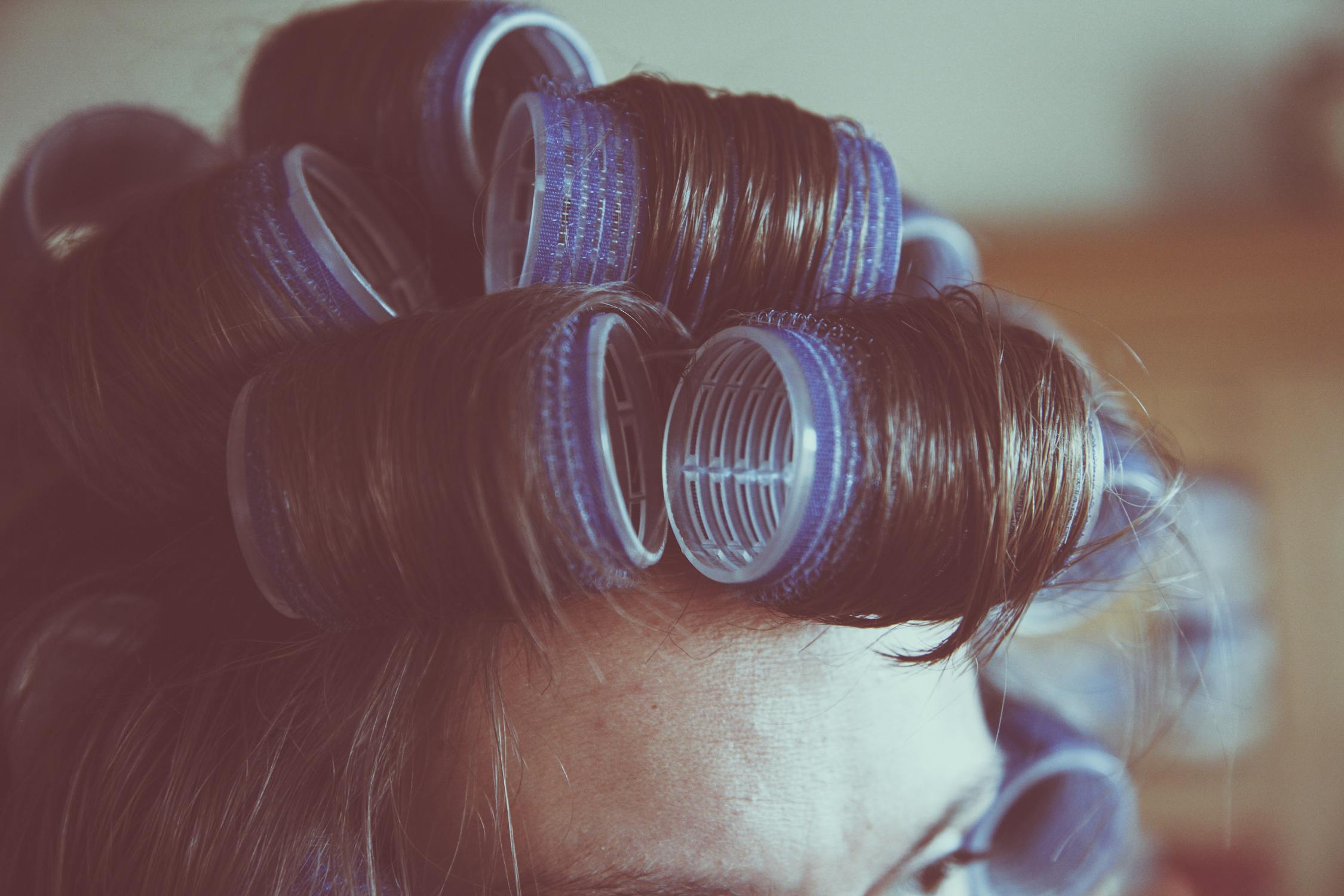
Figure 1. Hair with curlers 

Have you ever gone to the hair salon to get a perm and wondered what that strong meaty smell was? Well its a chemical called ammonium thiolactate. It is an organosulfide compound meaning it contains a thiol group which contains sulfur and usually an alkyl group which is what give it the smelly odor1. It has the molecular formula C3H9NO2S and has many other names it goes by1.


It is often used in many different cosmetics such as hair dye, perm lotion and hair mousse as a reducing agent2. What this means is that sulfur in the compound is giving electrons to an oxidizing agent in a redox reaction2. It is also surprisingly used in flavoring of different types of food3. Now for the burning question, how does the chemical in a perm work? Well the reducing properties of the ammonium thiolactate open the cystine disulfide bonds of the keratin in the hair2. The hair is then wrapped around hot rollers, where the heat penetrates the weakened hair and shapes it2. Once the hair is shaped it an oxidizing agent such as hydrogen peroxide is used to return the cysteine disulfide bonds back together2.


Ammonium thiolactate is not overly toxic after all it is used in food flavoring and in mice the lethal oral dose toxicity was found to be ≤1522mg/kg. Some of the health effects for those who are constantly working around the chemical are however at an increased health risk. These health risks include skin irritation which can lead to severe burns, eye irritation and respiratory tract irritation which can lead to bronchial infections if constantly being inhaled4,5. However those who go to get their hair done every once in while are not likely to experience any of these concerns.


References:

(1) Ammoniumthiolactate.https://pubchem.ncbi.nlm.nih.gov/compound/Ammonium-thiolactate#section=Structures (accessed Jan 26, 2020).

(2) thiolactate, a.; 95%, A.; Thiolactate, A. The Good Scents Company - Aromatic/Hydrocarbon/Inorganic Ingredients Catalog information. http://www.thegoodscentscompany.com/data/rw1361541.html (accessed Feb 2, 2020).


(3) Thiolactic Acid by Penta Manufacturing Company - Food, Beverage & Nutrition. https://www.ulprospector.com/en/na/Food/Detail/16153/406125/Thiolactic-Acid (accessed Feb 4, 2020).


(4) http://152.91.79.3/publications/CAR/new/NA/NAFULLR/NA0700FR/NA721FR.pdf (accessed Jan 27, 2020).


(5) https://cloudfront.zoro.com/enhanced_pdf/ZQ_7nDhelo.PDF (accessed Feb 4, 2020).


Figure 1 source:https://www.pexels.com/photo/person-woman-hairstyle-macro-112782/ (accessed Feb.12, 2020). Creative Commons Zero- CC0


Is your turmeric milk latte just a money grab?

Turmeric is a spice that has grabbed a lot of press lately. Specifically you may have seen it on the coffee menu at your favourite hipster cafe, as a fancy, new, expensive latte ingredient. Sure it tastes pretty good, but is it really worth the extra money?

Figure 1. Turmeric milk latte


Turmeric’s history is lengthy, with mention of its medicinal use dating back almost 4000 years1. Turmeric was used in religious ceremonies, as a treatment for wound healing, and was often used to treat various digestive disorders all over Asia1. These days researchers are trying to unpack turmeric to figure out how it can be used in modern medicine, however, it’s not as easy as it looks. 

The active component of turmeric is called curcumin, and although the scientific community is still figuring this molecule out, thoughts are that it could be useful for things like:

  • Anti-inflammation2
  • Anti-microbial2
  • Anti tumor2
  • Antioxidant2


What scientists have discovered is that turmeric really struggles to get into the bloodstream if consumed orally3. In order to combat this problem researchers have developed specialized methods for increasing the bioavailability of curcumin3. Currently, the best method for getting the benefits of turmeric is to make the molecules incredibly small, called ‘nanoparticles’, or to cover it in a special fatty coating, called a lipophilic matrix3. Only then is it possible to see the active ingredient, curcumin, working its magic in the body. 

So the question remains; is the turmeric milk latte really worth the extra cash? The answer might lie with your choice on who you trust more. Do you trust ancient civilizations who have been using this spice throughout their history in the whole, unprocessed form? Or do you trust the scientists of today who believe that it’s full potential is lost until the spice has been made into tiny particles that your body can absorb? 

Personally, I believe that the whole spice must be active in your body to a certain degree, but I will probably stick to a regular latte and save a few dollars.


References

1Prasad, S.; Aggarwal, BB. Turmeric, the golden Spice: From Traditional Medicine to Modern Medicine. In: Benzie IFF, Wachtel-Galor S, editors. Herbal Medicine: Biomolecular and Clinical Aspects. 2nd edition. Boca Raton (FL): CRC Press/Taylor & Francis; 2011. Chapter 13. 

2National Center for Biotechnology Information. PubChem Database. Curcumin, CID=969516, https://pubchem.ncbi.nlm.nih.gov/compound/Curcumin (accessed on Jan. 22, 2020).

3Jager, R.; Lowery, R.; Calvanese, A.; Joy, J. Comparative absorption of curcumin formulations. Nutr J. 2014;13:11. Published 2014 Jan 24. doi:10.1186/1475-2891-13-11 https://www.ncbi.nlm.nih.gov/pmc/articles/PMC3918227/#__ffn_sectitle (accessed Jan 22, 2020).

Figure 1 Source: https://www.pxfuel.com/en/free-photo-qpxbl (accessed Feb 12, 2020). Creative Commons Zero - CC0